
The Story Behind Wedgwood's Anti-Slavery Medallion
'Am I Not a Man and a Brother?'
Stamped onto Wedgwood's anti-slavery medallion, these words became a rallying cry for the British abolitionist movement, appealing directly to the conscience of eighteenth-century Britain. A rare example of this iconic medallion will be offered in our forthcoming Jewellery, Coins & Watches auction.
RARE ANTI-SLAVERY MEDALLION, produced by Wedgwood, circa 1790s
Lot 294 - Jewellery, Coins & Watches, 25th June 2026
£300-500
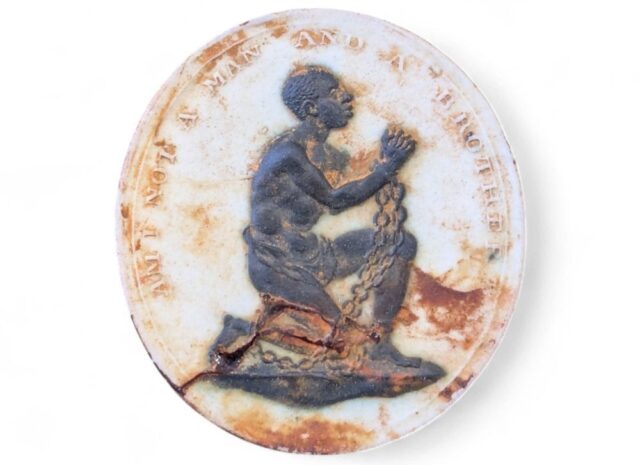
Josiah Wedgwood (1730-1795) was known for his strong social conscience, although his involvement in the abolitionist movement is perhaps surprising. Wedgwood indirectly profited from the Atlantic slave trade: producing vast quantities of sugar bowls, exporting pottery to plantation estates in the Caribbean, and supplying Britain’s aristocratic families, many of whom derived their wealth from those plantations. Despite these commercial ties, by the mid-1780s Wedgwood had become convinced of the trade’s immorality.
During this period the abolitionist movement in Britain was gaining momentum, bolstered by widely circulated accounts such as the Zong massacre, in which Captain Luke Collingwood ordered 133 enslaved people thrown overboard in an attempt to claim insurance when his ship ran low on drinking water. Encouraged by his business partner Thomas Bentley, a staunch abolitionist, Wedgwood threw himself into the movement, circulating petitions, writing letters, and attending meetings. He was elected to the Committee for the Abolition of the Slave Trade (often called the London Committee) and supported initiatives such as Sierra Leone Company, which aimed to establish a colony in West Africa for formerly enslaved people.
In 1787 Wedgwood was enlisted to produce a medallion for the Committee, which was distributed for free at abolitionist meetings. Although the exact number produced is unknown, it is thought that Wedgwood absorbed the costs himself. In 1788 he sent a packet of medallions to fellow abolitionist Benjamin Franklin, who remarked that he was “persuaded [the medallion] may have an effect equal to that of the best written pamphlet in procuring favour to those oppressed people.” The medallions became an emblem of the movement and even a fashionable accessory - set into snuff boxes, worn as bracelets, and incorporated into hairpins.
Wedgwood, who died in 1795, didn’t live to see his efforts realised. The British slave trade was abolished in 1807, though this did not immediately emancipate those already enslaved. It took a further 26 years before slavery itself was abolished across most of the British Empire in 1833.
Our Jewellery, Coins & Watches auction takes place on Thursday 25th June, at out Chester saleroom. View the full catalogue online here.
Imminent Auctions
Ends: Sun 25 October 2026 8:00 PM
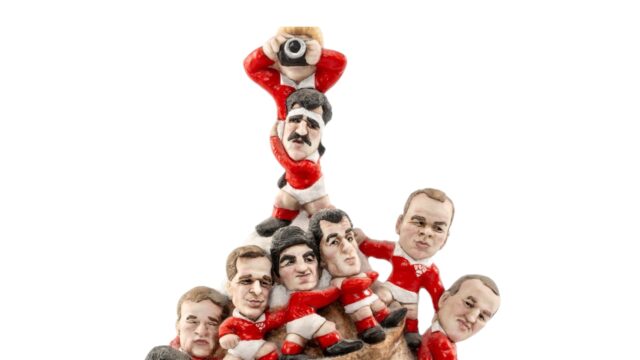
Groggs Galore: Timed Auction
Rare finds, familiar faces & collectables with character!
Cardiff Saleroom
Tue 27 October 2026 10:00 AM
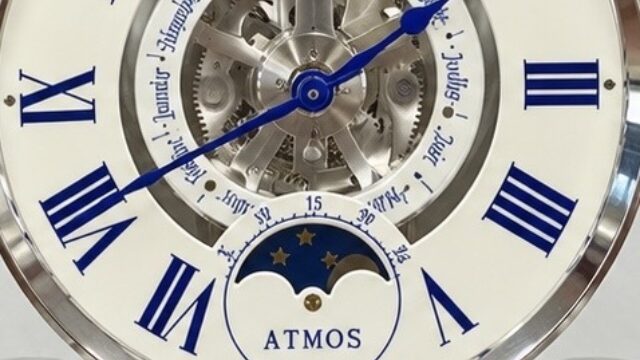
Chester Monthly
Contemporary, Mid-Century & Antique Furniture & Furnishings | Jewellery, Coins & Watches | Pictures
Chester Saleroom

Thu 5 November 2026 10:00 AM
The Club House
Motor Sports | Rugby Union & League | Football | Medals & Militaria | Railway memorabilia ETC
Cardiff Saleroom