
Jaeger-LeCoultre Atmos Clocks
Imagine having a clock that keeps perfect time but never needs winding… the dream of perpetual motion. This was the driving force for a number of pioneering inventors from around the turn of the 17th Century who were investigating using changes in atmospheric pressure and temperature as a power source for clocks.
Dutch engineer and inventor Cornelis Drebbel was the first to invent a mechanism using temperature to power a clock. He only made 18 models, one of which belonged to James I and was known as the Eltham Perpetuum.
The Evolution of the Atmos Clock
The first so-called "Atmos" clock was invented in 1928 by Swiss engineer Jean-Leon Reutter. It used temperature changes to affect the level of mercury in a glass expansion device, which drove a torsion pendulum. This prototype was developed by Compagnie General de Radio (CGR) in France in 1929, which made the first commercial version, Atmos 1, using an ammonia and mercury bellows power source.
Jaeger-LeCoultre bought CGR in 1935 and further developed Atmos 1, replacing the mercury/ammonia with ethyl chloride. Today’s Atmos clocks have been manufactured by Jaeger-LeCoultre (JLC) since 1935.
How an Atmos Clock Works
They use the chemical property of ethyl chloride, which vaporises and condenses within a hermetically sealed expansion chamber or bellows, according to atmospheric and temperature fluctuations. You may want to read that again!
But the science continues for the moment... the movement of the tube compresses and slackens a spiral spring, which winds the mainspring that powers the pendulum. Tiny changes in temperature or pressure are sufficient to wind the low-friction torsion pendulum for days on end.
Despite variations in design and complications (calendars, moon phases, zodiacs etc.) throughout the years, the original mechanical principle remains the same today in every Atmos.
An Icon of Twentieth-Century Design
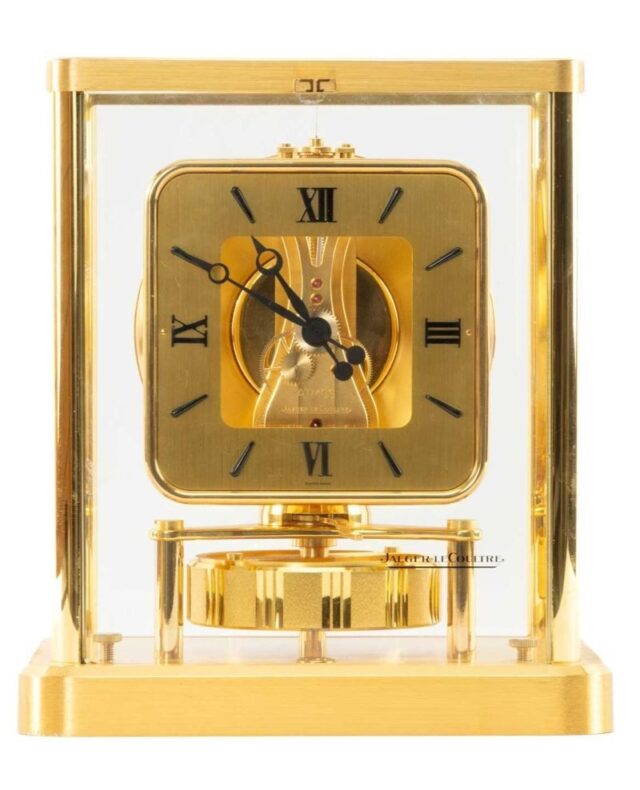
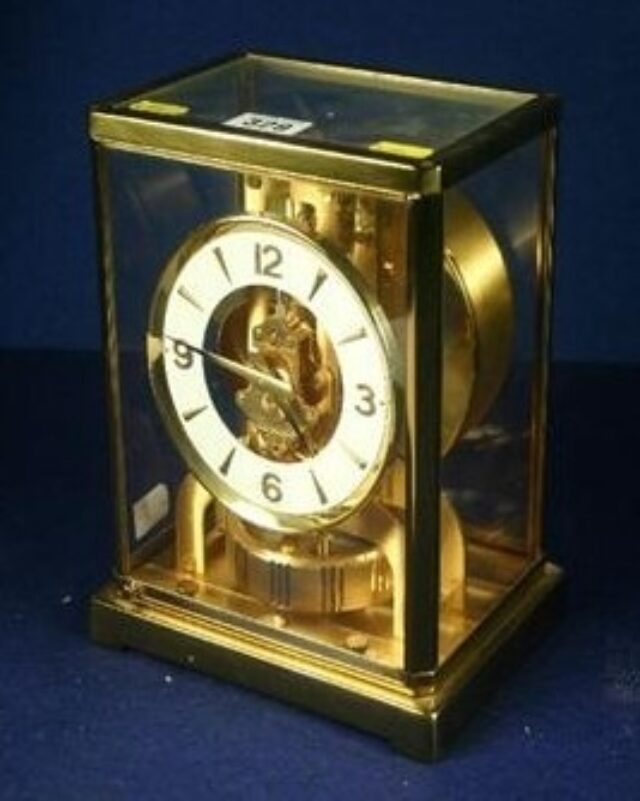
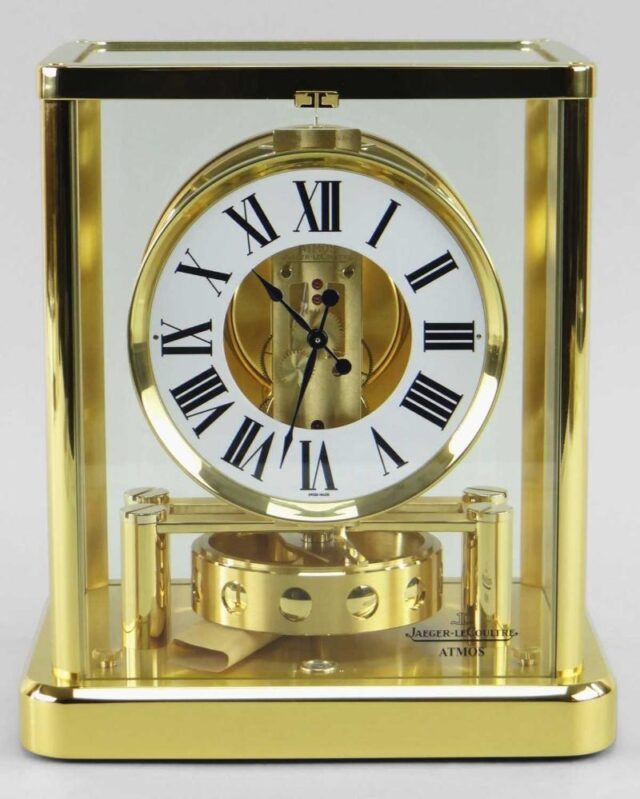
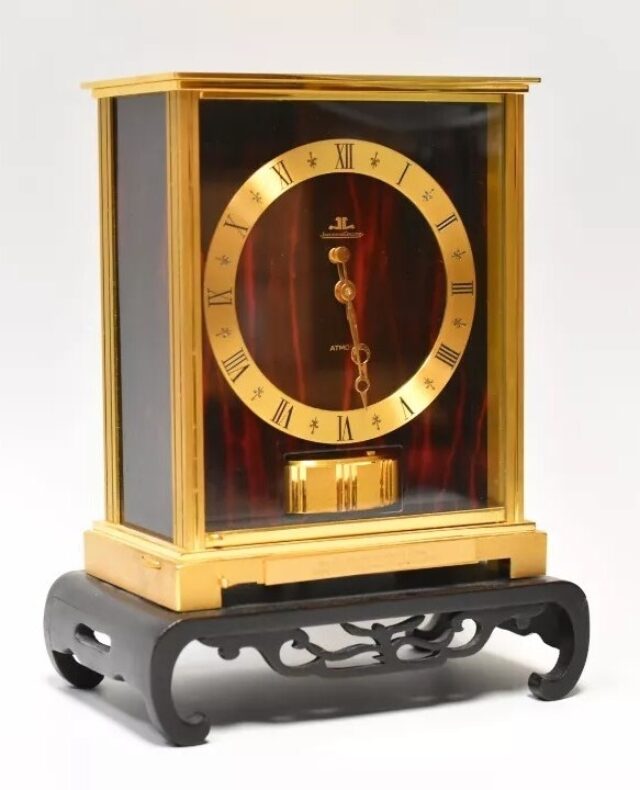
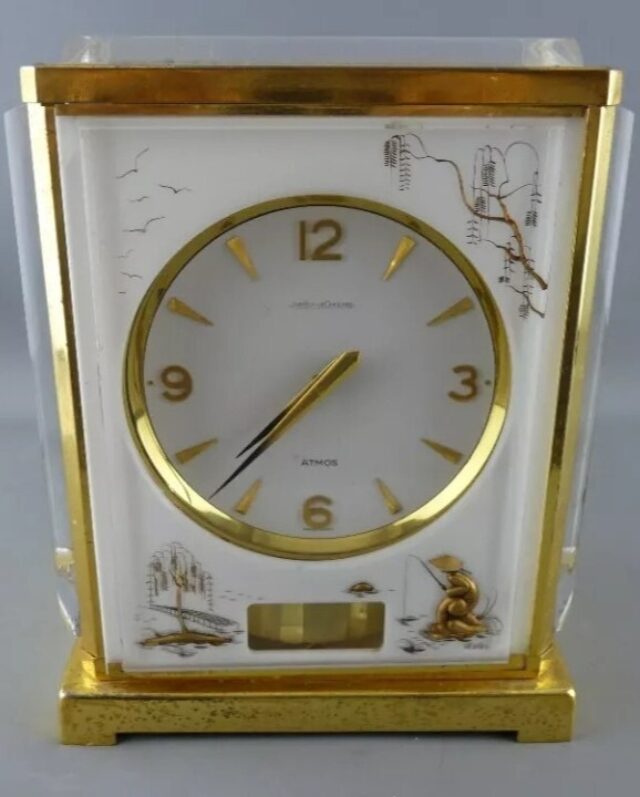
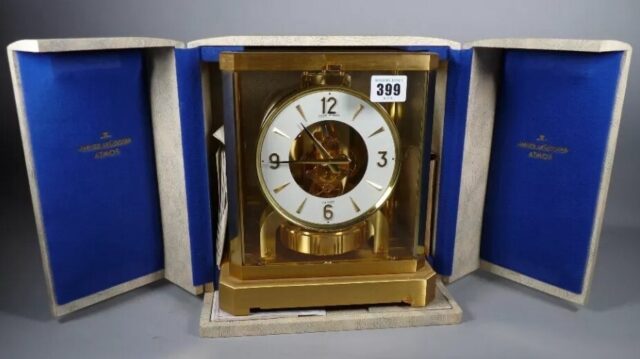
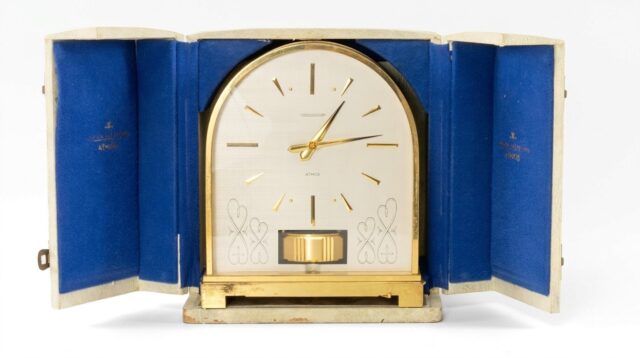
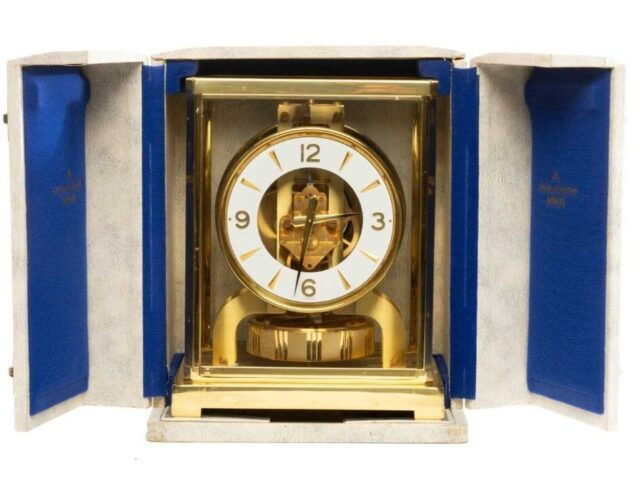
Atmos clocks are the classic mantel clock of the 20th Century, both in terms of science and looks. The Art Deco lines, accuracy and silent, near-perpetual motion have enabled JLC to sell over half a million clocks to date.
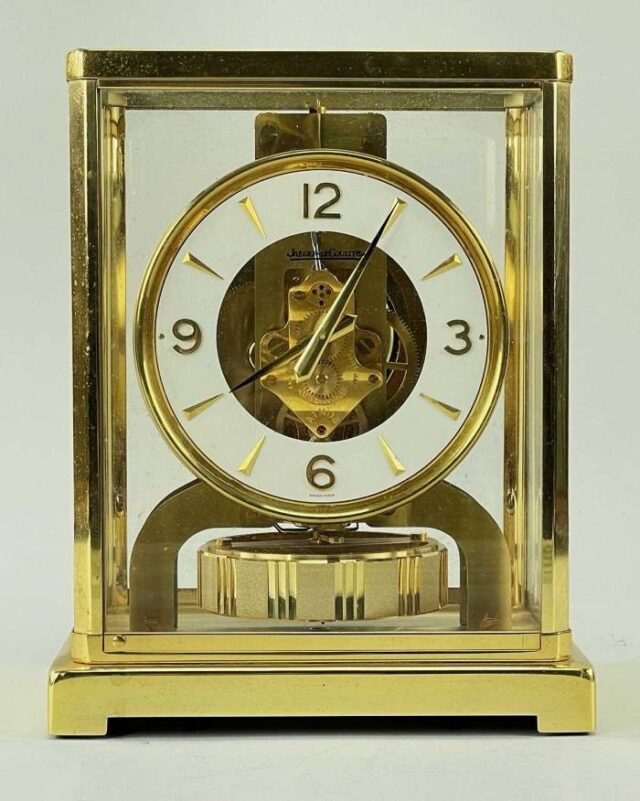
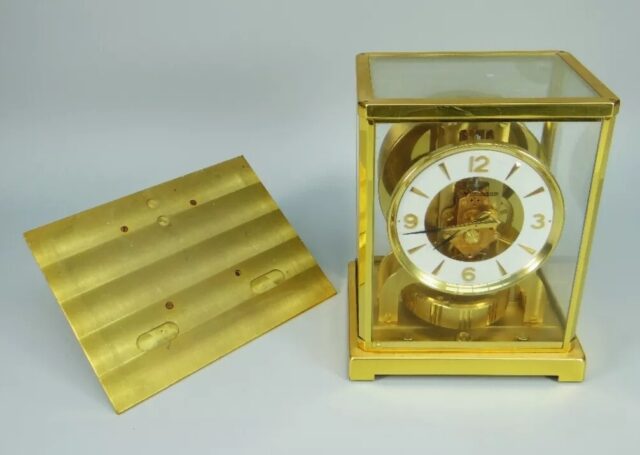
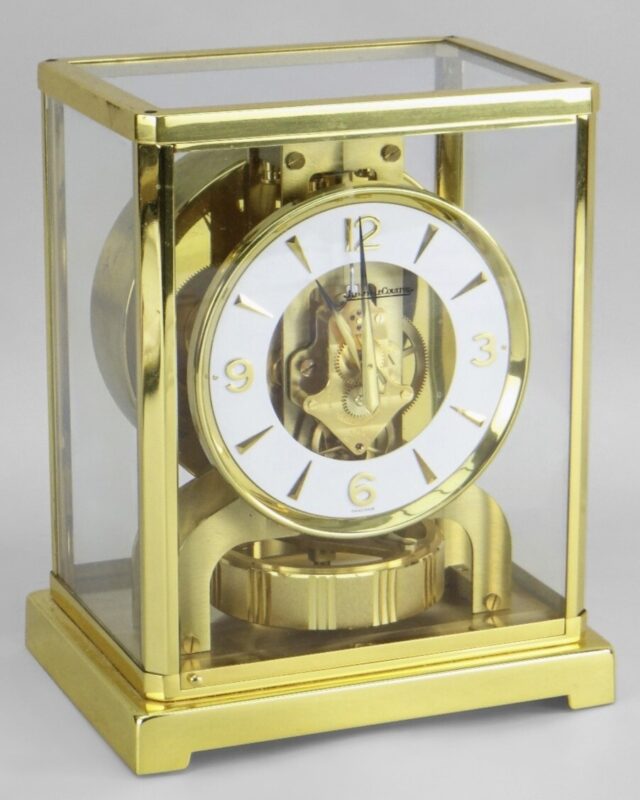
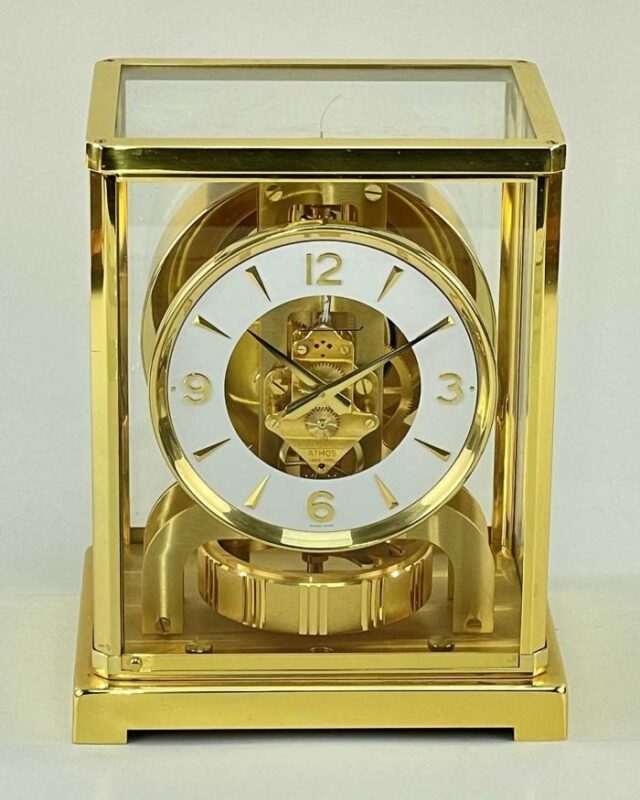
The most popular has to be the “Classique” range, which has retained the 1930s flavour with rectangular clear glazed panels, lacquered brass frame and circular chapter ring.
Collecting Atmos Clocks
The market for Atmos clocks is similar to prestigious watch brands such as Rolex. All models share a sense of immaculate style and prestige but the high prices are dominated by rare models or editions with extra smart looks.
Premium prices are also paid if the clock has paperwork and a case, while of course the condition and working order is critical. Prices can start at a few hundred pounds and reach several thousand pounds for rare models.
Featured in Our Upcoming Auction
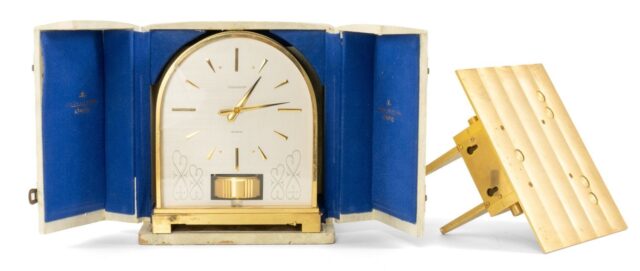
A fine example of Jaeger-LeCoultre's enduring craftsmanship is featured in our forthcoming Cardiff Monthly Sale.
If you've been considering adding an Atmos clock to your collection, this is an excellent opportunity to acquire one of the twentieth century's most ingenious and elegant timepieces.
JAEGER-LECOULTRE ATMOS 'BORNE' GILT METAL & BRASS MANTEL CLOCK
Lot 63, Cardiff Monthly, 11th August
£500-800
Auction Information
The Cardiff Monthly Sale takes place on Tuesday 11 August, 10am. Browse the full catalogue here.
Imminent Auctions
Tue 27 October 2026 10:00 AM
Chester Monthly
Contemporary, Mid-Century & Antique Furniture & Furnishings | Jewellery, Coins & Watches | Pictures
Chester Saleroom

Thu 5 November 2026 10:00 AM
The Club House
Motor Sports | Rugby Union & League | Football | Medals & Militaria | Railway memorabilia ETC
Cardiff Saleroom

Thu 12 November 2026 11:00 AM
Luxury Gifts, Jewellery, Coins & Watches
Beautiful items consigned via our five hubs to the specialist pre-Christmas auction
Chester Saleroom